How Bridge Engineering Has Become Greener in the 21st Century

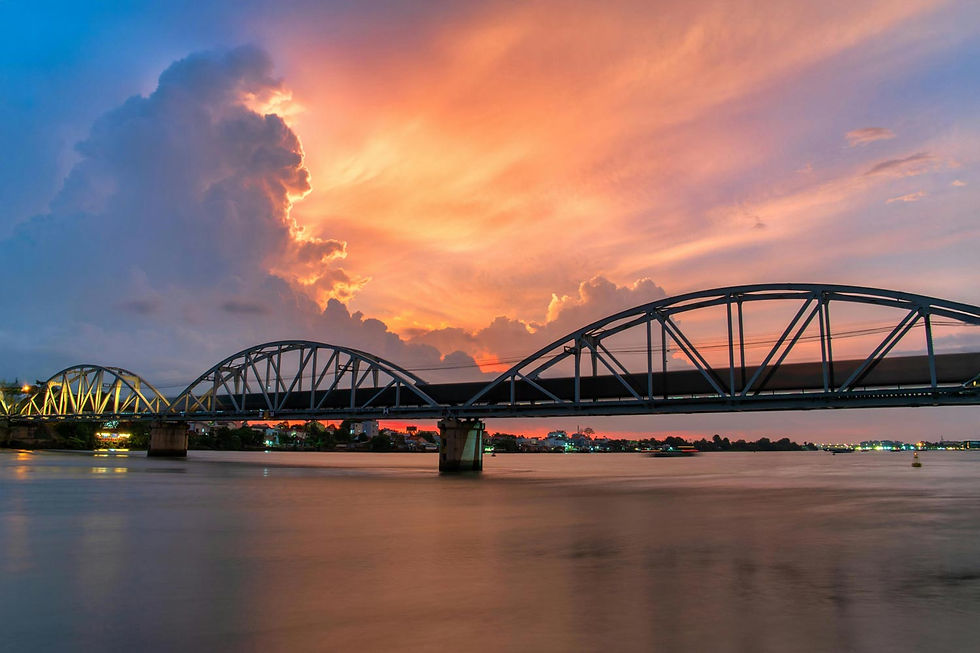
Bridge engineering has seen some of the greatest improvements in the entire architectural industry, as there have been green innovations that have not only made the process more sustainable but also improved the quality of the bridges being constructed in the 21st century. For decades, the world has been moving towards becoming more eco-friendly as we look for new ways to create structures like the Golden Gate Bridge while having minimal effect on the environment.
These new sustainable designs aren’t just about getting a vehicle from point A to B; they’ve now become thriving green spaces. Many modern-day bridges have begun adding elements like solar lighting, shaded seating areas and green grass accents to improve the overall appearance of the structure. This makes them more pleasing to the eye and excuses the fact that they need to be built across picturesque rivers and lakes.
This guide will explore modern bridges and how they’ve been engineered to be more sustainable. Continue reading to find out more about how bridges are constructed in the 21st century.
Green and Sustainable Bridge Design
While many people consider green and sustainable design to be the same thing, they can actually mean different things, but can both be leveraged to benefit the environment. Often, both of these are done simultaneously, but it’s important to know how they differ.
Green Design
Green design is an approach to building bridges that focuses on minimising the harmful effects it causes to the environment, as well as the health and well-being of humans located close to the build. Extra steps are usually taken to ensure that the air, water, wildlife and other aspects are protected at all times through zero waste construction practices and using sustainable materials.
Sustainable Design
This is a broader, more holistic approach that considers the environmental, social and economic implications throughout the entire lifecycle of a building like a bridge. This approach is often referred to as the "three pillars of sustainability". An example of this is designing a building that not only uses renewable energy but also promotes occupant wellbeing, provides flexible spaces for future adaptation and contributes positively to the local community.
Principles of Greener Bridge Engineering
Bridge engineering should address certain concepts to be considered green and sustainable construction while also ensuring the infrastructure is good enough to cross in a safe and efficient way. Some of these concepts include:
Make a positive impact on the environment, the community around it and the people who will experience the bridge on a regular basis.
Support multiple forms of transportation, such as bicycles and scooters to promote the use of more eco-friendly vehicles.
Built in a way that doesn't use up more natural resources or create more waste than the Earth can handle.
Limit land usage, so less of the natural landscape is jeopardised for the construction of the bridge.
Consider environmental issues throughout its lifespan. This means during construction, while it is being maintained and if it’s one day replaced or demolished.
Ensure that the bridge is affordable to build, operate, maintain, repair and replace.
Allow it to generate revenue for the community surrounding it. This can then be put into other aspects to make the area greener.
How to Design a Green and Sustainable Bridge
Early bridge designs were all about building something that both looked good and was functional, without taking into account the effect it would have on the environment. These bridges, often built from wood or stone, required large quantities of trees to be cut down, leading to deforestation and habitat destruction.
The construction process itself, involving tools and methods that were less precise, also caused soil erosion and sedimentation, impacting water quality. Now, with better quality plant hire machinery, the process is much more streamlined and accurate. This means that there is less negative impact on the surrounding land.
These aspects need to be considered when you’re designing a green and sustainable bridge:
Lifecycle and Longevity: Designing for the long term reduces the need for frequent replacement, thereby cutting down on resource consumption, energy use and disruption.
Material Selection: Using recycled and corrosion-resistant materials that are locally sourced will lower the carbon emissions of the bridge.
Environmental Impact Mitigation: Implement robust erosion control measures during construction that prevent water pollution. Design for effective stormwater management on the bridge deck to prevent runoff from degrading water quality.
Renewable Energy: Explore integrating solar panels or small wind turbines to power bridge lighting, monitoring systems or adjacent facilities. LED lighting can also be used for better sight at nighttime.
Examples of Green Bridge Engineering
11th Street Bridge Park - Washington D.C
Due to its comprehensive integration of environmental sustainability, ecological restoration and community wellbeing, the 11th Street Bridge Park is considered to be eco-friendly. Its mission is deeply rooted in green principle, and it also has a good amount of plantation implemented into its design.
One of the main features of this bridge is Stormwater Management and Water Quality Improvement. The bridge incorporates features specifically designed to improve the health of the Anacostia River. This includes:
Water filtration systems: Some elements of the design are linked to systems that actively filter water, helping to clean the river.
New wetland areas: Adjacent to the bridge piers, new wetlands are being created. Wetlands are natural purifiers, filtering pollutants and providing critical habitat.
Rainwater capture for irrigation: The park will capture rainwater to be used for irrigating the extensive landscaping, minimising the need for potable water.
The Onion Ditch Bridge - Logan County, Ohio
The Onion Ditch Bridge in Logan County, Ohio, is considered a green bridge primarily due to its innovative use of 100% recycled materials in its construction. It’s made from 80% post-consumer plastics, such as detergent bottles, shampoo bottles and milk jugs.
The other 20% is comprised of recycled car bumpers and dashboards, which diverts a significant amount of waste from landfills
Mile End Green Bridge - London, UK
Unlike a typical concrete or steel pedestrian bridge, the Mile End Green Bridge literally carries the landscape of Mile End Park over the busy A11 Mile End Road. It has soil, grass, trees and other planting on its surface, making it feel like a continuous part of the park rather than a separate structure. The bridge also incorporates features like rainwater harvesting, where water running off the bridge is collected in tanks and recycled to irrigate the planting, reducing the need for external water sources.