
From Coal to Code: Are We About to Repeat History?
From the coalfields of South Yorkshire to today’s creative industries, a miner’s son reflects on AI, disappearing jobs and the cost of leaving workers behind.
Opinion

Has Halloween Stolen Bonfire Night's Thunder?
Halloween dominates October shop displays, but Bonfire Night remains a British favourite. Has the growing spooky season really overshadowed 5 November?

Why Do We Love Being Scared?
Why do we love horror films, haunted houses and scary games? Explore the psychology of enjoyable fear and why Halloween makes being frightened feel like fun.

If Aliens Met Our Billionaires, Would They Think We Were Mad?
If aliens judged Earth by its billionaires, what would they make of record wealth, private rockets, immense influence and our strangely passive response?

The Children Who Fell Through Lockdown Are Now Teenagers
Barnsley Interchange disorder raises questions about post-Covid teenagers, anti-social behaviour, school absence, social media and lost youth support.

When Real Life Starts Dressing Like the Sci-Fi Villains
Trump’s Space Force uniform post has drawn Star Wars and Starship Troopers comparisons, raising questions about military symbolism and authoritarian style.

Can People Still Read Deeply in the Age of Social Media?
America can read, but falling literacy and social media habits raise harder questions about deep reading, context and reading between the lines today.

The Day Sweden Changed Sides: Why Britain Still Drives on the Left
On Dagen H, Sweden switched driving sides in 1967. Britain stayed left because history, road design, safety and cost make change more trouble than it seems.

Why Whistleblower Deaths Become So Hard to Trust
Whistleblower deaths fuel suspicion because public trust collapses when powerful companies and governments fail to protect those who speak out.

Why Margaret Thatcher Still Means Something Different in the North
Margaret Thatcher still divides the North because milk snatcher became part of a wider legacy of pit closures, lost work and lasting coalfield decline.

The British Art of the Cheap Summer Memory
Cheap summer memories often stay with children the longest, from parks and picnics to chips, libraries, rainy days and ordinary British adventures at home.

Why Week Two of the Summer Holidays Is When Reality Kicks In
Week two of the six-week holidays is when boredom, work, money and weather collide, as UK families try to keep summer feeling fun, calm and manageable.

When Efficiency Breaks the Business: What Self-Checkouts Tell Us About Modern Work
Self-checkouts show how business efficiency can backfire when short-term savings create theft, poorer service, stressed staff and wider costs elsewhere.

The AI Job Panic: Why Tech Leaders Are Suddenly Changing Their Tune
Tech leaders once warned of mass AI job losses, but their softer tone now raises questions about work, public trust and why the message suddenly changed.

Why September Is Becoming the New Summer Holiday
September holidays are becoming more popular as UK travellers look for warmer weather, better value, quieter destinations and a calmer version of summer.
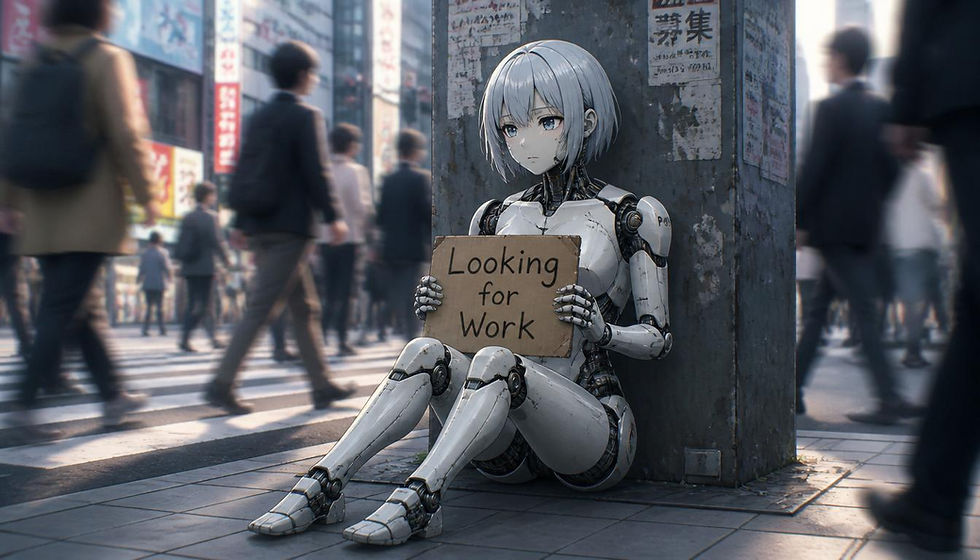
The AI Job Panic: Why Tech Leaders Changed Their Story Just as the Money Got Serious
AI leaders once warned of mass job losses, but their softer tone now raises questions about work, trust and why the message changed as money poured in.

Why Secret Elite Meetings Make Ordinary People Stop Trusting the System
Secret elite meetings fuel public distrust by making ordinary people feel excluded from the private rooms where influence gathers and futures are shaped.

A Million, a Billion, a Trillion: Why Extreme Wealth Breaks the Human Brain
A million, a billion and a trillion may sound similar, but extreme wealth reveals a scale of power and inequality most people can barely imagine.
