The Rise, Fall, and Resilience of Film Genres: Are Comic Book Movies Following the Path of the Western?


In recent years, the once-unassailable dominance of comic book movies at the global box office seems to be faltering. Long hailed as the defining cinematic trend of the 21st century, superhero films now face mounting criticism for their predictable storytelling, overreliance on CGI, and relentless franchise building. While blockbusters like Spider-Man: No Way Home and character-driven successes like Deadpool and Logan have proven the genre’s staying power, underwhelming box office results for films like The Eternals and The Flash highlight growing audience fatigue. Many are asking if comic book movies have reached their saturation point and whether the genre is at risk of falling out of favour altogether.
This conversation draws a striking parallel to the fate of another cinematic titan—the Western. Westerns once ruled Hollywood, captivating audiences for decades before slowly fading from the forefront of popular culture. By delving into the history of Westerns and comic book films, we can explore how both genres reached towering heights of popularity, examine their respective declines, and consider what these trends reveal about the shifting tastes of moviegoers.
The Golden Era of Westerns: The Frontier Takes Center Stage
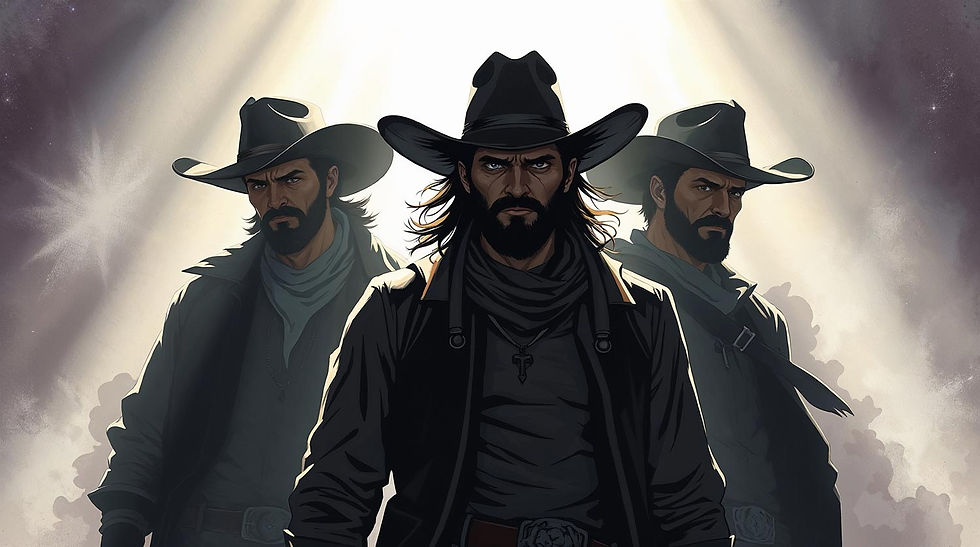
The Western genre dominated American cinema from the 1930s to the 1950s, presenting tales of lawmen, outlaws, and settlers grappling with the challenges of the untamed frontier. These films weren’t just entertainment—they were cultural phenomena, shaping and reflecting America’s collective identity.
What Made Westerns So Popular?
Westerns tapped into the mythology of the American West, portraying it as a place where good and evil clashed amidst breathtaking landscapes. Rugged cowboys, portrayed by stars like John Wayne and Gary Cooper, symbolized individualism, justice, and perseverance. Whether fending off marauding bandits, defending towns from corrupt landowners, or grappling with internal struggles, these heroes embodied the values that resonated with mid-century audiences.
The genre also found success in its ability to reflect the anxieties and aspirations of its time. During the Great Depression and World War II, Westerns offered escapism and a sense of hope. In the postwar period, as America wrestled with rapid modernization and urbanization, these films romanticized a simpler, more virtuous past.
Key Films and Directors of the Era
The golden age of Westerns produced some of cinema’s most enduring classics. Stagecoach (1939), directed by John Ford, introduced audiences to the complex dynamics of frontier life while solidifying John Wayne’s star status. High Noon (1952) subverted genre conventions, using its tight pacing and moral dilemmas to comment on contemporary fears of McCarthyism. Meanwhile, Shane (1953) and The Searchers (1956) delved into themes of revenge, redemption, and the cost of violence, elevating the genre to new artistic heights.
Directors like John Ford, Howard Hawks, and Anthony Mann became synonymous with Westerns, creating epic tales that balanced spectacle with introspection. Their films set the standard for generations to come, inspiring countless imitations and innovations.
The Decline of Westerns
By the late 1950s and early 1960s, the Western began to wane in popularity. A combination of overexposure, changing societal values, and the rise of new genres like science fiction and spy thrillers pushed Westerns to the sidelines. Younger audiences found the archetypal cowboy-and-Indian tales outdated and simplistic, while the civil rights movement and countercultural revolution demanded more nuanced storytelling.
The Revisionist Western
Rather than fading away entirely, the Western adapted to its new reality by embracing revisionist narratives. Films like The Wild Bunch (1969), Unforgiven (1992), and Dead Man (1995) deconstructed the genre’s traditional tropes, presenting morally ambiguous characters and questioning the myths of heroism and manifest destiny. Though these films earned critical acclaim, they marked the genre’s transition from mainstream entertainment to niche appeal.
The Age of Comic Book Movies: From Panel to Screen
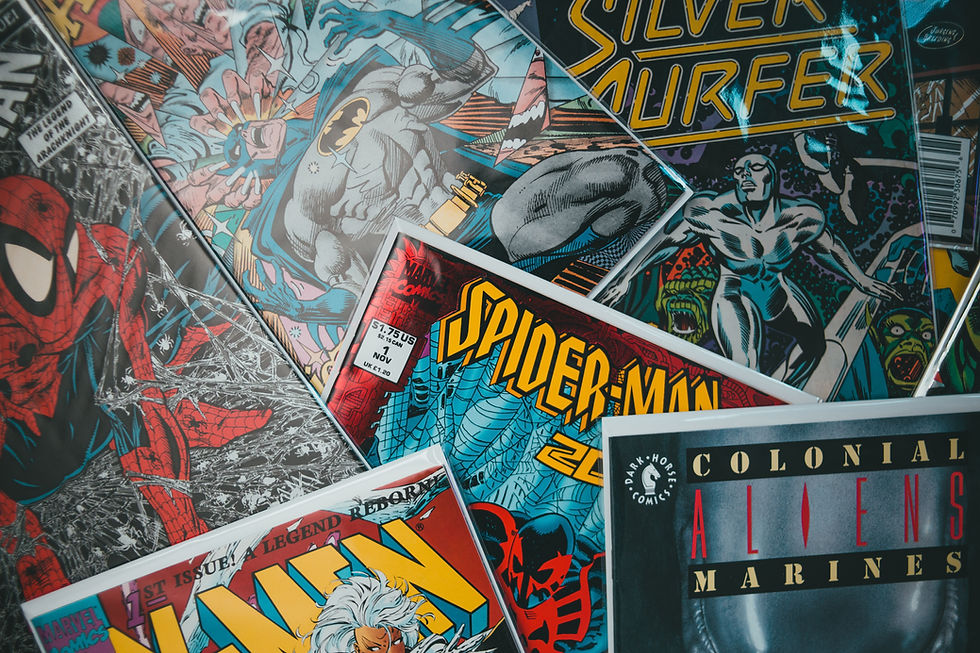
Comic book adaptations have experienced an equally remarkable rise, evolving from campy serials to cultural phenomena that dominate the modern cinematic landscape.
The Humble Beginnings (1940s–1960s)
In the early days, superhero stories were confined to low-budget serials like The Adventures of Captain Marvel (1941) and Batman (1943). These productions, aimed primarily at children, lacked the scale or polish to appeal to a wider audience. The campy Batman TV series (1966) brought some mainstream attention to the genre, but its lighthearted tone kept it from being taken seriously.
The First Modern Era (1970s–1990s)
The release of Superman: The Movie (1978) marked the beginning of a more ambitious approach to comic book films. With a charismatic lead in Christopher Reeve and groundbreaking special effects, the film demonstrated that superhero stories could resonate with audiences of all ages. Tim Burton’s Batman (1989) took the genre further, combining a darker tone with stylized visuals that captivated audiences.
Despite these successes, the genre remained inconsistent throughout the 1990s. Films like Batman & Robin (1997) and Spawn (1997) struggled to balance camp with gravitas, leaving the genre in a precarious position.

The Golden Age (2000s–2010s)
The 2000s ushered in the golden age of comic book movies, beginning with X-Men (2000) and Spider-Man (2002). These films treated their source material with respect, combining character-driven storytelling with blockbuster spectacle. The formation of the Marvel Cinematic Universe (MCU) in 2008 transformed the industry, introducing a shared continuity that culminated in the unprecedented success of The Avengers (2012).
For over a decade, the genre reached new heights, with films like Black Panther (2018), Wonder Woman (2017), and Avengers: Endgame (2019) breaking box office records and earning critical acclaim.
The Current Era: A Turning Point
Today, the genre faces challenges similar to those that plagued Westerns in their twilight years. The sheer volume of superhero films has led to audience fatigue, while studios’ reliance on interconnected universes has resulted in diminishing returns. Projects like Thor: Love and Thunder and Ant-Man and the Wasp: Quantumania failed to capture the magic of earlier instalments, signalling a potential decline.
Comparing the Two Genres: A Study in Cinematic Trends
Cultural Reflection and Universal Appeal
Both Westerns and comic book movies thrived because they resonated with their audiences. Westerns reflected the American ideals of self-reliance and exploration, while comic book films embody modern themes of identity, diversity, and global unity.
Cycles of Popularity and Oversaturation
Western films eventually succumbed to overproduction, with audiences tiring of formulaic plots and recycled tropes. Similarly, comic book movies risk alienating viewers with their overreliance on CGI battles and predictable story arcs.
Adapting to Change
Both genres have shown a remarkable ability to adapt. Westerns evolved into darker, more introspective revisionist films, while comic book adaptations like Logan and Joker have embraced character-driven narratives that push the boundaries of the genre.
Different Timeframes, Similar Patterns
The decline of Westerns occurred over decades, while the comic book genre has risen and faced challenges in just two decades. This accelerated cycle reflects modern entertainment’s faster pace and the global nature of today’s movie markets.
Is History Repeating Itself?
The parallels between Westerns and comic book movies are undeniable. Both genres rose to dominate their respective eras, only to face challenges of overexposure and audience fatigue. Yet both have proven their resilience, evolving in ways that ensure their cultural relevance.
While comic book movies may face an uncertain future, their innovation ability suggests that the genre is far from finished. Just as Westerns found new life in revisionist storytelling, superhero films may discover fresh ways to captivate audiences. For now, the fate of the genre hangs in the balance, offering a fascinating lens through which to examine the ever-evolving world of cinema.