Why Do We Love Being Scared?

There is something rather peculiar about the human desire to be frightened. Most of our lives are spent avoiding situations that make us feel threatened or uncomfortable, yet every October millions of people voluntarily sit down to watch horror films, visit haunted attractions or play video games specifically designed to terrify them. Some even pay good money to have somebody dressed as a chainsaw-wielding maniac chase them around a dark building.

It makes very little sense when you think about it. Fear is supposed to be a warning system, something that encourages us to escape danger rather than actively seek it out. Yet horror has remained one of our most popular forms of entertainment, evolving from traditional ghost stories and late-night films into increasingly sophisticated experiences capable of convincing our brains that something genuinely unpleasant might be waiting around the next corner.
So why do we keep coming back for more?
Fear without the consequences
Psychologists have spent years investigating what researchers call recreational fear, the enjoyment we sometimes experience when confronted with something frightening but ultimately safe. When watching a horror film or walking through a haunted attraction, our bodies can react to the apparent danger even though we know, somewhere in the back of our minds, that the threat isn't real.
Researchers at Aarhus University's Recreational Fear Lab have found that enjoyment often depends on reaching the right balance between fear and excitement. Too little fear becomes boring, while too much can become genuinely unpleasant. Somewhere between those extremes is a sweet spot where the experience feels thrilling rather than overwhelming.
That could help explain why different people enjoy different types of horror. Some prefer the slow-building tension of a supernatural thriller, while others enjoy the jump scares of Resident Evil, Silent Hill or a classic slasher film. What one person considers an entertaining evening might leave somebody else sleeping with the lights on.
From VHS nightmares to immersive horror
For those who grew up during the 1980s and 1990s, horror often came with its own sense of forbidden excitement. Video rental shops displayed films that looked considerably more frightening than anything regularly shown on television, while stories about notorious horror titles made them seem almost dangerous before anyone had even watched them.
Research discussed by Oxford Brookes University has explored memories of young people secretly watching supposedly unsuitable horror films during the VHS era. For some, discovering and sharing those films with friends was as important as the frightening content itself.
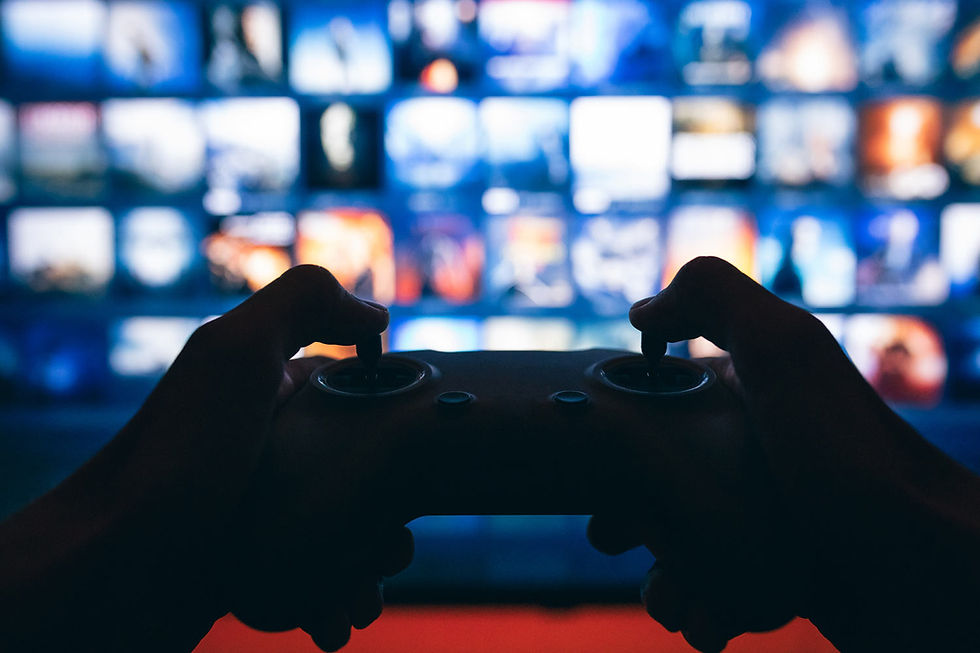
Modern horror has added another dimension through interactive entertainment. Playing a frightening video game can feel very different from watching a film because the player becomes responsible for what happens next. It is one thing to shout at a character for opening the obviously haunted door, but quite another when the game requires you to open it yourself.
Perhaps that explains the attraction. Horror allows us to experience danger without facing the consequences, giving us the excitement of surviving something frightening while remaining relatively safe.
As Halloween approaches, millions of us will once again turn off the lights, put on something terrifying and spend the next two hours wondering why we thought it was a good idea.
The answer may simply be that being scared can be surprisingly good fun, provided we know that eventually we can turn the television off.