

If Buying Isn’t Owning, Then Piracy Isn’t Stealing

Sony’s Digital Future Has Reopened an Old Argument
Sony’s decision to end physical disc production for new PlayStation games from January 2028 has reignited one of the longest-running debates in modern gaming: what do players actually own when they buy a game?

The phrase “If buying isn’t owning, then piracy isn’t stealing” has been shared widely online because it captures the frustration many players feel about the direction of digital media. It is not a legal argument, and it should not be treated as one. Piracy remains unlawful. But as a protest slogan, it points towards a very real consumer concern. If a company can sell access to something while limiting resale, lending, preservation and long-term control, then many players are going to question whether the word “buy” still means what they thought it meant.
That is the heart of the backlash. This is not simply about nostalgia for boxes on shelves, although that is part of the emotional response for many collectors. It is about the changing relationship between consumers and the media they pay for. Sony may see the end of new game discs as a logical step into a digital future, but many players see it as another sign that ownership is being quietly replaced by permission.
What Sony Has Announced
Sony Interactive Entertainment has said that physical disc production for new games releasing on PlayStation consoles will end from January 2028. From that point, new PlayStation games will be available through the PlayStation Store and through retailers in digital formats only. Existing disc-based games and games released before that date will not suddenly disappear. The change is about new releases going forward.
From Sony’s perspective, the decision follows a broader consumer shift towards digital buying. Many players already purchase their games digitally, and the wider entertainment industry has moved in the same direction for years. Music, film, television, software and books have all been reshaped by digital stores, subscriptions and streaming-style access. In that context, Sony can argue that it is responding to how the market now behaves.
However, the business logic does not remove the consumer concern. Digital distribution reduces manufacturing costs, cuts out packaging and shipping, simplifies logistics and gives platform holders more direct control over pricing, accounts and access. What looks efficient for a corporation can still feel like a loss for players, particularly when the thing being removed is not merely a format but a form of freedom.
Why Physical Games Still Matter
Physical games still matter because they allow players to do things that digital purchases often restrict. A disc can be lent to a friend, passed between family members, sold second-hand, traded in, bought cheaply years later or kept on a shelf as part of a collection. Those ordinary acts are part of how many people have experienced gaming for decades.
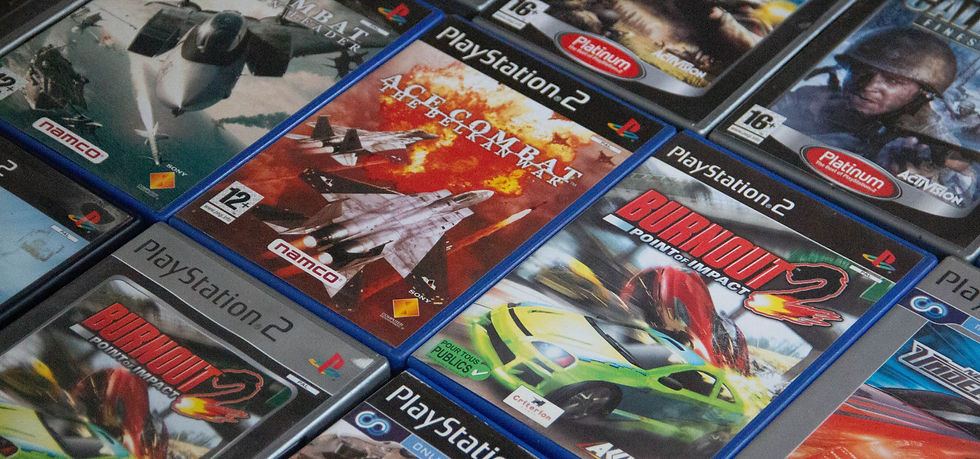
Physical media also plays a practical role for families and younger players. New games are expensive, and not everyone can comfortably buy every release digitally at full price. The second-hand market allows people to stretch their money further, while trade-ins give players a way to fund future purchases. For parents buying birthday or Christmas presents, a physical game is also easier to wrap, gift and share than a download tied to an account.
None of this means discs are perfect. Modern physical releases often rely on patches, downloads, online services and server access. Some discs do not contain the full finished experience in the way older games once did. Even so, physical media still gives players something tangible and transferable. It offers a degree of control that purely digital ownership often does not.
That is why the backlash cannot be dismissed as people refusing to move with the times. For many players, the issue is not technology itself. It is the removal of choice.
The 2013 Xbox One Comparison Sony Cannot Escape
The anger towards Sony is sharper because of the history surrounding the PlayStation 4 and Xbox One era. In 2013, Microsoft faced heavy criticism over its original Xbox One plans, which included restrictions around used games, lending and online check-ins. Players saw those proposals as an attack on ownership and consumer freedom, and the backlash was significant enough that Microsoft eventually reversed course.
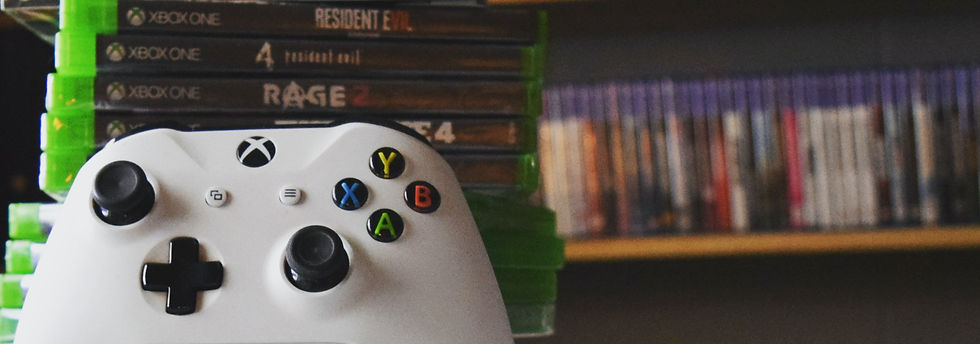
Sony benefited enormously from that moment. During the same console war, PlayStation presented itself as the simpler, more consumer-friendly alternative. The most famous example was Sony’s “Used Game Instructional Video”, a short promotional clip that showed one person handing a PS4 game disc to another. The joke was that there was no complicated process. Sharing a physical game was as simple as passing it over.
That clip became a defining moment because it captured what players felt Microsoft had forgotten. People understood discs. They understood lending. They understood ownership. Sony did not need a long explanation because the message was obvious.
That is why the 2028 announcement feels so awkward now. Sony once used physical ownership as a point of difference and a way to win trust. The company that mocked Xbox’s digital-rights approach is now preparing to end new physical discs for PlayStation games altogether. For many players, that looks less like natural progress and more like a principle that was defended only while it was commercially useful.
Digital Buying Has Changed the Meaning of Ownership
The deeper problem is that digital purchases often do not feel like ownership in the traditional sense. When people click a button marked “buy”, they tend to assume they have bought something. In ordinary life, buying an item means it becomes yours. You can keep it, lend it, sell it, store it, lose it, repair it or revisit it years later.
Digital media complicates that understanding. A digital game is usually tied to an account, a storefront, a license agreement and the ongoing operation of online systems. The consumer may feel they have bought the game, but in legal and practical terms, they may only have bought access under certain conditions. Those conditions can include restrictions around transfer, resale, lending, availability and future support.
For most players, this only becomes visible when something goes wrong. An account is lost. A store closes. A game is removed. A server shuts down. A licence expires. A download becomes unavailable. The average consumer does not read every term of service before making a purchase, and it is unrealistic to pretend that they do. They rely on the everyday meaning of the word “buy”.
When the industry uses that familiar language while quietly narrowing the rights attached to the purchase, distrust is inevitable.
The Store Becomes the System
A digital-only PlayStation future would make the PlayStation Store far more important than it already is. If new games are no longer released on disc, the digital storefront becomes the central route into the platform’s new releases. Retailers may still sell codes or digital products, but the balance of power shifts further towards Sony’s ecosystem.
That has consequences for price, competition and access. Physical games create a market beyond the platform holder. Shops can discount stock, second-hand sellers can offer cheaper copies, players can trade games among themselves, and older titles can remain available even if a publisher is no longer actively promoting them. A digital-only model weakens many of those routes.
Players are therefore right to ask who benefits most from the change. Digital buying is convenient, but it also gives platform holders and publishers more control. It limits resale, reduces lending, tightens account dependency and makes preservation more reliant on corporate decisions. The concern is not that Sony is the only company moving this way. The concern is that the entire industry has been moving towards a model where consumers pay more while controlling less.
Why This Matters Beyond Collectors
It is tempting to frame the debate as collectors versus everyone else, but that misses the wider issue. Physical games are not only for people who like shelves full of boxes. They matter to families, budget-conscious players, gift buyers, preservationists, local game shops and anyone who values the ability to do something with a game after buying it.
For many households, second-hand games are part of how gaming remains affordable. A child may trade in old titles to help pay for a new one. A parent may buy a used copy because the full-price version is out of reach. Friends may lend games to each other because not everyone can afford to buy every release. Digital-only systems make those everyday habits harder or impossible.
There is also a cultural point. Games are part of modern media history. They are art, design, music, writing, performance and technology combined. If access to them depends entirely on accounts, servers and storefronts, then preservation becomes fragile. Physical media does not solve every preservation problem, especially in an age of patches and online services, but it gives collectors, archives and players another way to keep games alive.
When companies remove physical options, they are not just changing how people shop. They are changing how culture survives.
The Stop Killing Games Connection
The backlash also connects directly to the wider concerns raised by the Stop Killing Games movement. That campaign grew from frustration with games being sold as products but later made unavailable or unplayable because servers were shut down or support ended. The question at the centre of that movement is simple: if people pay for a game, should companies be able to remove meaningful access to it later?
Sony’s decision does not answer that question directly, but it sits in the same wider debate. Digital-only gaming increases the importance of licences, accounts, servers and storefront control. It also reduces the number of independent routes through which a game can continue to circulate once the publisher or platform holder loses interest.
That is why the issue feels bigger than PlayStation. It is about whether games are becoming temporary services even when sold at full product prices. Players are not only asking whether discs will disappear. They are asking whether the industry still believes in permanent consumer ownership at all.
Sony’s Business Case Is Understandable
Sony’s decision is not difficult to understand from a corporate point of view. Digital distribution is simpler, cheaper and more profitable in many respects. It removes production and shipping costs, avoids unsold physical stock, reduces dependence on retail shelves and keeps consumers inside Sony’s own digital ecosystem. It also fits with a wider market trend, as many players now buy digitally as a matter of habit.
There is nothing surprising about a large company preferring a model that gives it more control and potentially better margins. That is how major platform businesses tend to behave. The problem is that business efficiency and consumer rights are not the same thing.
A decision can make sense for Sony while still being bad for players. It can reflect consumer trends while still accelerating the loss of choice. It can be commercially rational while also weakening resale, lending, preservation and affordability. That tension is why the debate matters.
The question is not whether digital games should exist. They should, and many players prefer them. The question is whether digital should become the only option.
Why the Piracy Slogan Lands
The phrase “If buying isn’t owning, then piracy isn’t stealing” works because it expresses a feeling of imbalance. Consumers are expected to respect corporate ownership absolutely, yet their own ownership is becoming narrower and more conditional. Companies want the moral force of purchase when they take payment, but the flexibility of licensing when consumers ask what rights they have afterwards.

That contradiction is what people are reacting to. They do not want to be told they have bought something, only to discover that they cannot lend it, sell it, preserve it or access it independently of a platform holder’s permission. They do not want the language of ownership if the practical reality is closer to rental under a different name.
Again, this does not make piracy legal or acceptable. The better point is that industries weaken respect for ownership when they weaken ownership for consumers. If companies want the public to respect the value of creative work, they should also respect the rights of the people paying for it.
Trust runs both ways.
A Wider Shift From Ownership to Access
Sony’s move is part of a much larger cultural shift. Music moved from CDs to streaming. Films moved from DVDs and Blu-rays to platforms that can remove titles without warning. Software moved from boxed copies to subscriptions. Books, games and even household devices are increasingly tied to accounts, licences and digital ecosystems.
The pattern is familiar. Consumers are offered convenience first, then ownership is quietly reduced later. At the beginning, digital access feels like an addition. Over time, it becomes the default. Eventually, the older form is treated as outdated or unnecessary, even by companies that once used it to win trust.
That is why this PlayStation decision has landed so heavily. Consoles were one of the places where physical media still had a strong cultural presence. A disc-based console kept alive the idea that games could still be objects as well as licenses. Ending new discs would push gaming further into the same access-based world that has already reshaped music, film and software.
For some players, that is convenient. For others, it is the final stage of losing something they were never asked to give up.
Sony Should Remember What It Once Promised
The frustration around Sony’s announcement is not only about the future. It is also about memory. Players remember when PlayStation positioned itself as the brand that understood used games, lending and physical ownership. They remember the simplicity of the PS4 message compared with Microsoft’s original Xbox One plans. They remember Sony using consumer freedom as a weapon in a console war it went on to win.
That history matters because trust is built through those moments. When a company presents itself as being on the consumer’s side, players do not forget. If the same company later moves towards the model it once mocked, it should not be surprised when people call that out.
Sony may argue that the market has changed. That is true. Digital buying is far more common now than it was in 2013. But values are not supposed to disappear simply because the business model becomes more convenient.
If physical ownership mattered when Sony was using it to sell consoles, it should still matter when players are asking for it to remain.
Buying Should Still Mean Something
The anger in the videos and comments reacting to Sony’s decision is blunt, and sometimes it is expressed more aggressively than a published article should repeat. But beneath that anger is a serious argument about ownership, trust and consumer choice.
Players are not wrong to ask what they are actually buying. They are not wrong to worry about losing resale, lending and preservation. They are not wrong to question why a company that once celebrated physical sharing is now helping to close that door. They are not wrong to feel that digital convenience has gradually become digital dependence.
Sony may believe it is moving with the times. Many players believe the times are being moved for them.
That is the uncomfortable truth at the centre of this debate. The end of new PlayStation discs would not simply change the packaging of games. It would change the balance of power between the people who make games, the companies that sell them and the players who pay for them.
If buying no longer feels like owning, then the industry has a problem bigger than piracy.
It has a trust problem.


