

The New Year Clean Slate: Decluttering Your Life Without Becoming a Minimalist

January often brings a strong urge to clear things out. Cupboards feel full. Calendars feel crowded. Digital spaces feel noisy. The idea of a clean slate becomes appealing.
Decluttering does not have to mean extreme minimalism. It does not require throwing everything away or living with bare surfaces. It is about reducing friction and making daily life easier.
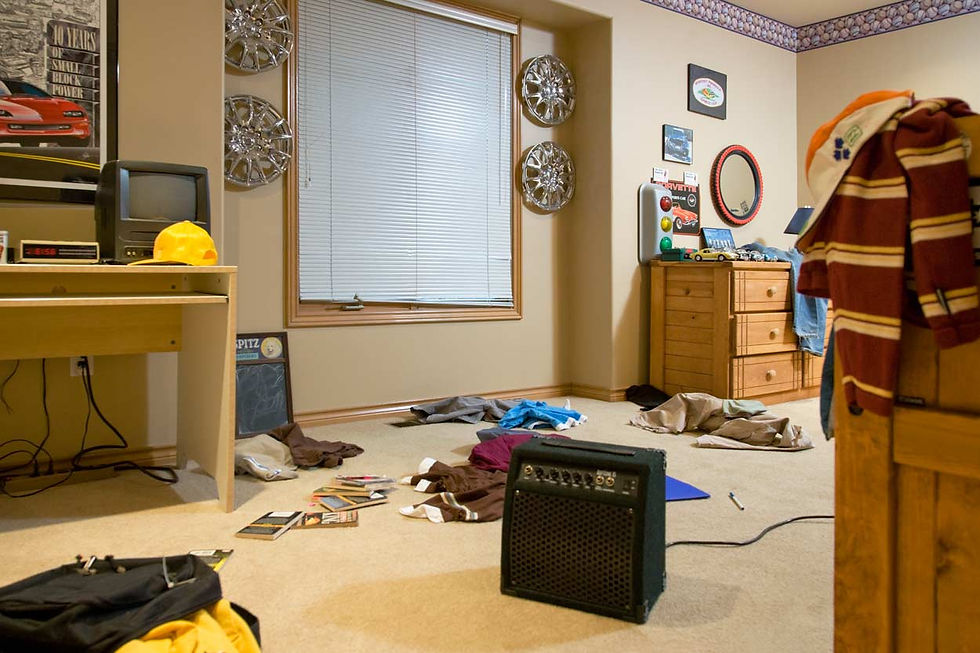
Why clutter feels heavier in January
After December, many people feel overstimulated. More socialising, more spending, more noise, more stuff.
When the pace slows in January, clutter becomes more noticeable. What felt manageable before now feels overwhelming.
Decluttering becomes a way of regaining control.
Decluttering as decision reduction
Clutter is not just physical. It creates mental load.
Every item demands attention, storage, maintenance, or guilt. Decluttering works because it reduces the number of decisions your brain has to make each day.
Fewer choices lead to less fatigue.
Start with friction, not aesthetics
The best decluttering targets are the things that cause daily irritation.
Examples include:
overflowing kitchen drawers
unread email newsletters
unused apps
clothes you avoid wearing
unfinished to-do lists
commitments you dread
Addressing these has a bigger impact than focusing on what looks tidy.

The realistic decluttering method
Instead of trying to reset everything at once, work in layers.
Layer one: remove what is broken, expired, or clearly unused.Layer two: organise what you actively use.Layer three: question what you keep out of habit rather than need.
This approach avoids overwhelm and creates visible progress quickly.
Decluttering time, not just space
A clean slate also applies to time.
January is a good moment to review:
standing commitments
social obligations
digital notifications
meetings that could be shorter or fewer
Decluttering time often has a bigger effect on wellbeing than decluttering objects.
Digital decluttering counts
Email inboxes, photo libraries, apps, and notifications contribute heavily to mental clutter.
Simple digital resets include:
unsubscribing from emails you never read
deleting unused apps
organising files into clear folders
muting notifications that add stress
These changes are invisible to others, but powerful for focus.
Keeping clutter from creeping back
The key is not perfection. It is maintenance.
Helpful habits include:
a weekly ten-minute reset
one in, one out rules for certain items
regular reviews of commitments
questioning purchases before bringing them home
Decluttering is not a one-off event. It is an ongoing relationship with your space and time.
A clean slate does not mean an empty life. It means removing what gets in the way of what matters.
January offers permission to simplify. You do not need to become a minimalist to feel lighter. You just need less friction in the places that drain you.


